Cosmetics on the Silk Road
Historically, the Silk Road has been described as a major commercial route used for the transportation of luxury items including silk fabrics, jades, and expensive spices. However, recent discoveries using the disciplines of archaeology, material culture studies, and chemical analysis have revealed that it also served as a dynamic “chemical highway” for the transportation of raw minerals, plant extracts, and cosmetic technologies across the ancient world. 1
Throughout history, individuals pursued personal adornment not merely for vanity but because they believed that beauty rituals reflected their social status and identity. Beauty rituals played an important role in establishing and maintaining cultural identities by providing cross-cultural indicators of political power, gender roles, and economic wealth. 2 Cosmetics in the form of makeup, fragrances, and perfumes were a fundamental component of this pursuit. Examples include the imperial courtrooms of the Chinese Tang Dynasty, the temples of medieval India, and the trading centers of the Levant to the palaces of the Byzantine Empire.
The development and distribution of specialized glass containers, closed gemstone containers and terra cotta figurines demonstrate that elite grooming habits throughout time were heavily dependent upon the stability of international trade networks. 3
Globalized Trade in Material Vessels
.jpg)](/silk-road//essays/cosmetics-on-the-silk-road1/images/cosmetics-thumb.jpeg)
Right-aligned images work exactly like Seedling and Sapling. Every skill you’ve learned carries forward. Source
.jpg)
Archaeological evidence demonstrates the presence of a globalized cosmetic economy in which material vessels and other artifacts represent tangible examples of trade networks. The value of a container frequently correlates with the significant expense associated with transporting exotic substances. 4 For example, in 500 AD Syria developed “blown tooled and trailed glass” technology to create high-quality glass multiple cosmetic containers known as Kohl Tubes. 5 These luxury goods were created specifically to provide protection for fragile “mineral-based formulas,” and their distribution throughout the world clearly indicates a large-scale international market for Syrian glass-making skills. 6 Similarly, the Early Byzantine Cosmetic Jar with Lid 7 constructed from gold filigree, rock crystal, and Sri Lankan sapphires illustrates how materials gathered from Deep South Asia contributed to the creation of some of the most valuable ointments found in the Western Mediterranean.
In East Asia, the Tang Dynasty Seated Girl Holding Mirror 8 terra cotta figurine serves as a structural record of everyday life and style in imperial China during the early Middle Ages. As such it captures a consumer who represents one end of a very long supply chain which imported foreign derived standards for beauty as well as home furnishings into imperial Chinese society. The stylistic elements of this figure are integrally related to the larger visual culture of this region. The same can be said about comparative archaeological finds from regions outside of China. One example includes the Painted Pottery Figurine of a Seated Court Lady from the Astana Grave Tombs of Turpan. 9 The figurine records fashion culture at that time. Her eyebrow and cheek makeup is visible, which resembles the figurine of a Tang Dynasty Seated Girl with a Mirror, as well as her hairstyle. Similarities exist in terms of facial cosmetic trends among high-ranking women living along Central Asia’s oases as evidenced by their use of identical forms of high-stylization when applying eyebrow make-up. Furthermore, this example clearly illustrates that there existed a highly standardized trans-continental fashion trend common to both the Chinese interior and Central Asian frontier along the Silk Road.
Lastly, a 10th-century stone relief sculpture depicting a Surasundari Applying Eye Makeup 10 found at the Parshvanatha Jain Temple in Khajuraho provides a unique visual iconographic representation of how these traded cosmetics and tools were incorporated into the sacred landscape of medieval India.
Aesthetic Rationale & Therapeutic Functionality
It is critical to note that historically, cosmetics in all cultures examined here served an aesthetic rationale while simultaneously functioning under a dual imperative that harmoniously combined aesthetic improvement with ancient medical knowledge. The substances contained in the Byzantine jar and Syrian kohl tube - ranging from dark black galena to bright green malachite to aromatic oil mixtures containing musk and ambergris - provided essential therapeutic benefits. 11 In extremely dry and sunny areas such as those present in the Mediterranean, Near Eastern countries and Southern Asia, the daily application of kohl acted as a medicinal treatment aimed at protecting the eyes from intense solar radiation while simultaneously acting as a pathogen resistant surface against desert microorganisms. 12
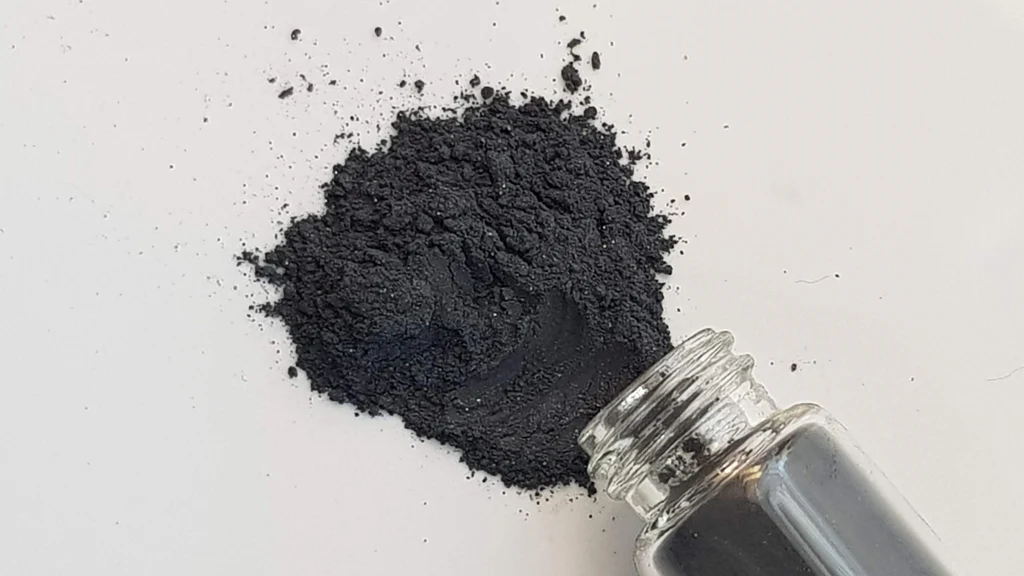
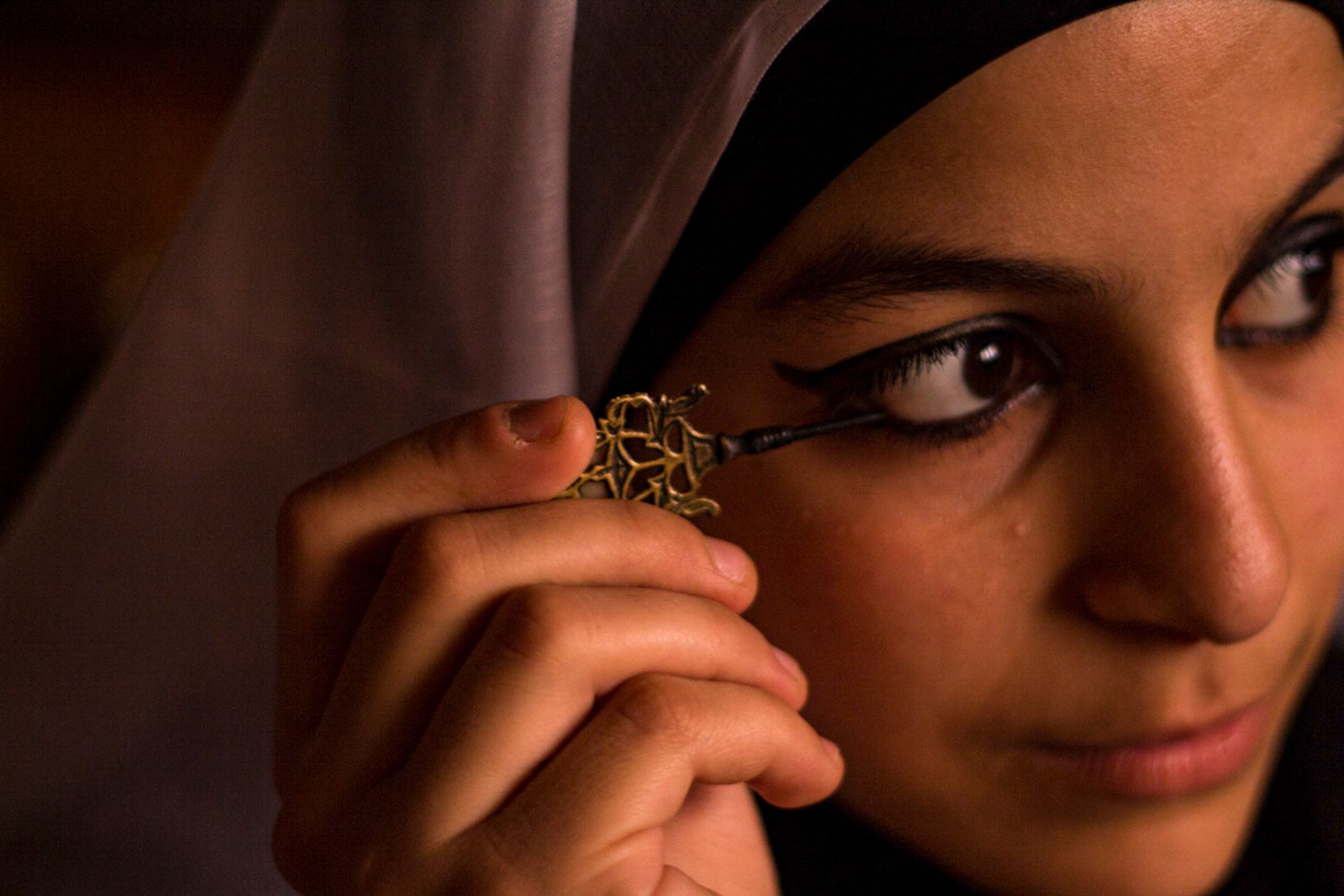
Kohl powder and how it was applied for eye protection.
Cosmetics on the Silk Road Facilitate Global Communication & Human Connection
The Cosmetic Culture of the Silk Road represents the integration of two major dimensions of society: economics & chemistry. The Cosmetics used along the Silk Road represented an ideal way to foster a sense of unity across various cultures. As a result, this project will explore how Beauty Rituals have been able to transcend both physical borders as well as the rigid barriers created by religion. Ceramic figures from Elite Women in the cosmopolitan Tang Capital of Chang’an, China as well as in the remote oases of Turpan, demonstrate the use of White Lead Powders and Floral Rouges which were imported from Central Asia to signify the Social Status of these Elite Women. At the same time, during the Medieval Period in the Mediterranean Region, there are records of the elite classes of Byzantium exchanging knowledge about Cosmetic Preparation Techniques and Recipes with the surrounding Jewish and Muslim communities, establishing a collaborative dialogue regarding Wellness/Fashion Culture. This Dialogue was established beyond the confines of Geopolitical Conflict. 13 Even within Sacred Contexts, such as the Parshvanatha Jain Temple, a Sculpture depicting a Celestial Beauty Applying Eye Makeup demonstrates how Personal Grooming has become Divinized and integrated into the Religious Fabric of the Era. Ultimately, this highlights the idea that the Human Body is reflective of Cosmic/Spiritual Harmony. 14
Bibliography
- Caballero-Navas, Carmen. 2008. “The Care of Women’s Health and Beauty: An Experience Shared by Medieval Jewish and Christian Women.” Journal of Medieval History 34 (2): 146–63. Source
- McMullen, Roger L., and Giorgio Dell’Acqua. “History of Natural Ingredients in Cosmetics.” Cosmetics 10, no. 3 (2023).Source
- Walter, Philippe, et al. “Egyptian Eye Cosmetics (‘Kohls’): Past and Present.” In Physical Techniques in the Study of Art, Archaeology and Cultural Heritage, edited by D. Bradley and P. Creagh. Amsterdam: Elsevier, 2006. Source
- Jones, Geoffrey. “Cosmetics and Skin Care Products: A Historical Perspective.” Dermatologic Clinics 18, no. 4 (2000): 557–559. Source
- King, Anya. “Medieval Islamicate Aromatherapy: Medical Perspectives on Aromatics and Perfumes.” The Senses and Society 17, no. 1 (2022): 37–51. Source
-
King, Anya. “Medieval Islamicate Aromatherapy: Medical Perspectives on Aromatics and Perfumes.” The Senses and Society ↩
-
Jones, Geoffrey. Cosmetics and Skin Care Products: A Historical Perspective ↩
-
McMullen, Roger L., and Giorgio Dell’Acque, “History of Natural Inredients in Cosmetics” ↩
-
King, Anya. “Medieval Islamicate Aromatherapy: Medical Perspectives on Aromatics and Perfumes.” The Senses and Society ↩
-
Walter et al., “Egyptian Eye Cosmetics (‘Kohls’):Past and Present” ↩
-
McMullen, Roger L., and Giorgio Dell’Acque, “History of Natural Inredients in Cosmetics” ↩
-
Walter et al., “Egyptian Eye Cosmetics (‘Kohls’):Past and Present” ↩
-
Caballero-Navas, Carmen. “The Care of Women’s Health and Beauty: An Experience Shared by Medieval Jewish and Christian Women.” Journal of Medieval History ↩
-
King, Anya. “Medieval Islamicate Aromatherapy: Medical Perspectives on Aromatics and Perfumes.” The Senses and Society, Jones, Geoffrey. Cosmetics and Skin Care Products: A Historical Perspective ↩